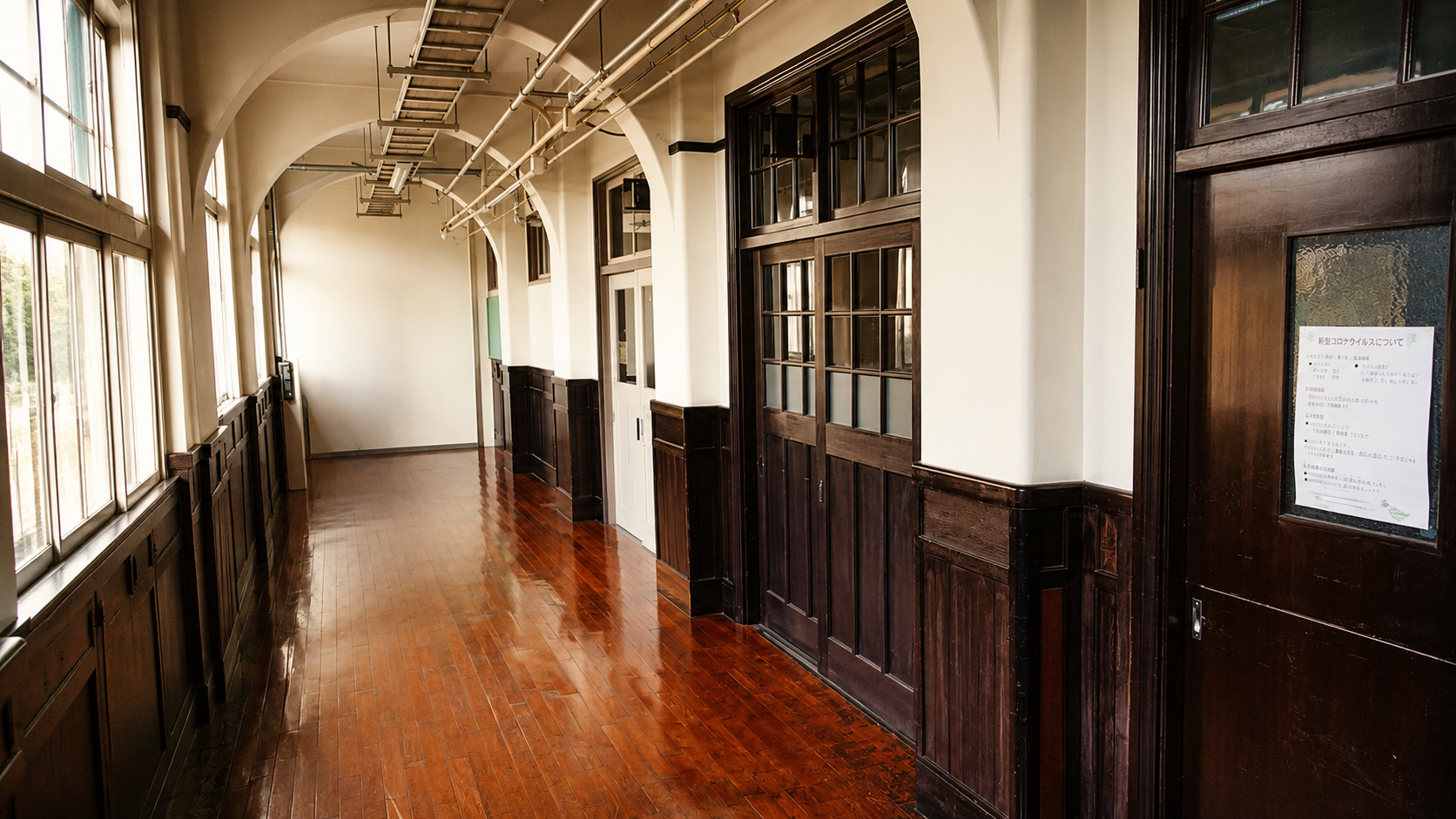
A false accusation, management inaction, a missing toddler, and the nine-month chain reaction that permanently closed a Tokyo preschool after more than three decades.
Reporting note: This article is based on interviews, firsthand accounts, and reporting related to international education and school operations in Japan. Certain identifying details have been altered to protect the privacy of the individuals and institutions involved.
Editor's note: The following case study is based on a real incident that occurred at an international preschool, kindergarten, and after-school English programme in Tokyo in 2018. The name of the school, its owner, and identifying details have been omitted or altered to protect the privacy of the school owner, staff, parents, and children involved. The teacher name used in this article has also been changed.
The school that had survived for 35 years
Before the summer of 2018, an international preschool, kindergarten, and after-school English programme in Tokyo had survived for more than 35 years, built a reputation with 117 pupils, and never faced a crisis it couldn't absorb. Nine months later, it closed for good.
The visible crisis — a missing toddler, a wave of withdrawals, a business shutting down after three and a half decades — didn't start with any of those events. It started earlier, with a staff conflict management decided wasn't worth solving.
The school was not a large corporate chain, nor a particularly prestigious one. Its stability had been built the way many long-running schools build theirs: through familiarity, routine, and parents who returned year after year, often with younger siblings in tow.
By the time the teacher at the centre of this story left, according to several former employees, the more consequential decision had already been made: to treat a growing internal conflict as something that could be ignored.
The most popular teacher in the building
The teacher at the centre of the story will be referred to here as Ivan. A Russian national who'd been at the school less than a year, he'd nonetheless become one of its most visible employees — children greeted him by name in the corridors, parents stopped to talk during pick-up, and colleagues remembered his classroom as among the most stable in the building.
His popularity should have been an asset. Instead, according to former staff, it became a source of resentment among some colleagues, and over several weeks multiple staff members made accusations against him. The school would later determine those accusations were false. That conclusion came too late.
The conflict management refused to handle
The conflict built over weeks, not days. Ivan raised it with management almost daily, convinced the accusations were false and that the situation would do lasting damage if left alone.
The school's owner, an elderly Japanese woman who'd run the business for decades, considered it a petty staff quarrel not worth her involvement. When it became impossible to ignore, she sent a manager to talk to the teachers involved.
It didn't work. Former staff remember raised voices and a growing sense that management had lost control. No investigation followed, no real effort to establish what had happened — just an instruction for the teachers to avoid each other unless necessary. The school kept running as if the problem were solved.
The text message after payday
Ivan quit the day after payday. According to former staff, Ivan believed the school had a history of disputes over final pay for teachers who left before completing a one-year contract. Whether that perception was accurate mattered less than the fact that he appeared to believe it. He waited until he had been paid, then sent his final message to the school.
"This job has taken way more out of me than I ever should have given. I quit." — Resignation message attributed to Ivan
The school called him after receiving the message. He confirmed that he was finished. He did not return to collect his belongings, explain his departure to parents, or communicate with the school again.
Former staff recalled little immediate sense of alarm. The assumption was that the school, which had survived for more than three decades, would absorb the loss of one teacher and continue as it always had. That assumption was wrong.
The day the children realised he was gone
Ivan's homeroom pupils were five and six. They'd known him for nearly a year, and for children that age, a beloved teacher isn't just an employee — he's part of what makes school feel safe.
They noticed immediately. Some cried, some refused to participate, many asked when he was coming back. It didn't take long for parents to notice too.
The school tried to keep the conflict contained, but children had already overheard arguments between teachers and repeated fragments of them at home. Parents filled in the rest themselves.
"I don't want my kid in this kind of environment," one parent said, according to a former staff member who recalled the comment.
What had started as an internal staff conflict no longer was.
The week the school began to collapse
Ivan had run a full-time kindergarten homeroom. When he left, the school had no way to replace him. Classes were merged, and remaining staff absorbed extra pupils on top of managing the disruption in their own rooms. Administrative staff fielded parent complaints, timetabling problems, and mounting uncertainty all at once — with no emergency plan to fall back on.
The school had four teachers before the resignation. Five pupils withdrew the same week; more followed. Enrolment declined, complaints grew, and the school's reputation deteriorated faster than management could respond.
The three-year-old who walked out of the park
The most damaging incident happened the same week. With staffing already thin, the school took the children to a park in the summer heat with only two adults supervising a full group.
One teacher looked around and realised a three-year-old was gone. He'd simply walked out of the park alone.
The search lasted for hours. He was found at a nearby grocery shop, safe, in the care of the shop manager. He was physically unharmed.
Parents demanded answers, discussed legal action, and called for an apology. The story spread on social media.
The investigation that came too late
About four weeks after Ivan resigned, the school investigated seriously for the first time.
Witnesses contradicted the original accusations, and a staff member admitted the allegations had been fabricated. According to former staff, several employees had deliberately worked to push Ivan out.
Ivan did not come back. The classroom was not restored.
The collapse of a 35-year-old school
Enrolment fell from 117 pupils to fewer than 30. Families who'd once recommended the school grew reluctant to. Nine months after Ivan's resignation, the owner closed the business and retired. Staff scrambled for new jobs; some left Japan entirely.
The lesson for school owners
No single event explains the collapse. Former staff describe a sequence of failures that reinforced each other, starting with management's decision not to address a conflict while it was still containable.
Key takeaways:
- Staff conflict is not private when it affects classrooms.
- False accusations require immediate, serious investigation.
- A popular teacher leaving can become a parent trust crisis.
- Emergency staffing plans are safety tools, not convenience tools.
- Parents forgive problems more easily than they forgive avoidance.
Where Englishire fits
Englishire provides emergency teacher support for schools in Japan when a staffing gap threatens classroom continuity. But the lesson of this case extends beyond replacement cover. Schools also need clear communication, credible internal procedures, reliable supervision plans, and the willingness to address small failures before they become public ones.
Need emergency classroom support? If your school is facing a sudden English teacher shortage, Englishire can help protect classroom continuity while you work through the situation.
Related stories
Topics: Case Study · School Operations · Teacher Staffing · Parent Trust